Heat Treatment for Bed Bugs: The Comprehensive Guide to a Pest-Free Home
Heat treatment for bed bugs has become an effective, chemical-free option for homeowners. This approach efficiently increases temperatures to eradicate all life stages of these pests. Grasping its process and advantages is crucial for individuals confronting pest problems. Adequate preparation and upkeep following treatment can significantly influence outcomes. Still, numerous homeowners miss key steps. What steps are required to ensure a lasting, pest-free home? Investigating these elements can deliver understanding and support.
Why Bed Bugs Are a Significant Worry for Homeowners
Even though bed bugs can seem like a small problem, they create substantial challenges for property owners. These insects, known for their rapid reproduction, generate stress and unease because of their nighttime feeding behavior. Bites from these insects can cause allergic reactions and subsequent infections, making removal critically important. Furthermore, bed bugs are remarkably hard to eradicate; they are capable of concealing themselves in small spaces and enduring long periods without a meal.
The negative stigma linked to bed bug infestations can further influence property values and rental potential. Property owners often encounter significant financial strain from multiple treatment sessions and potential losses in hospitality settings. In addition, the psychological impact of managing an infestation can contribute to anxiety and disrupted sleep.
How Does Heat Treatment Work for Bed Bugs?
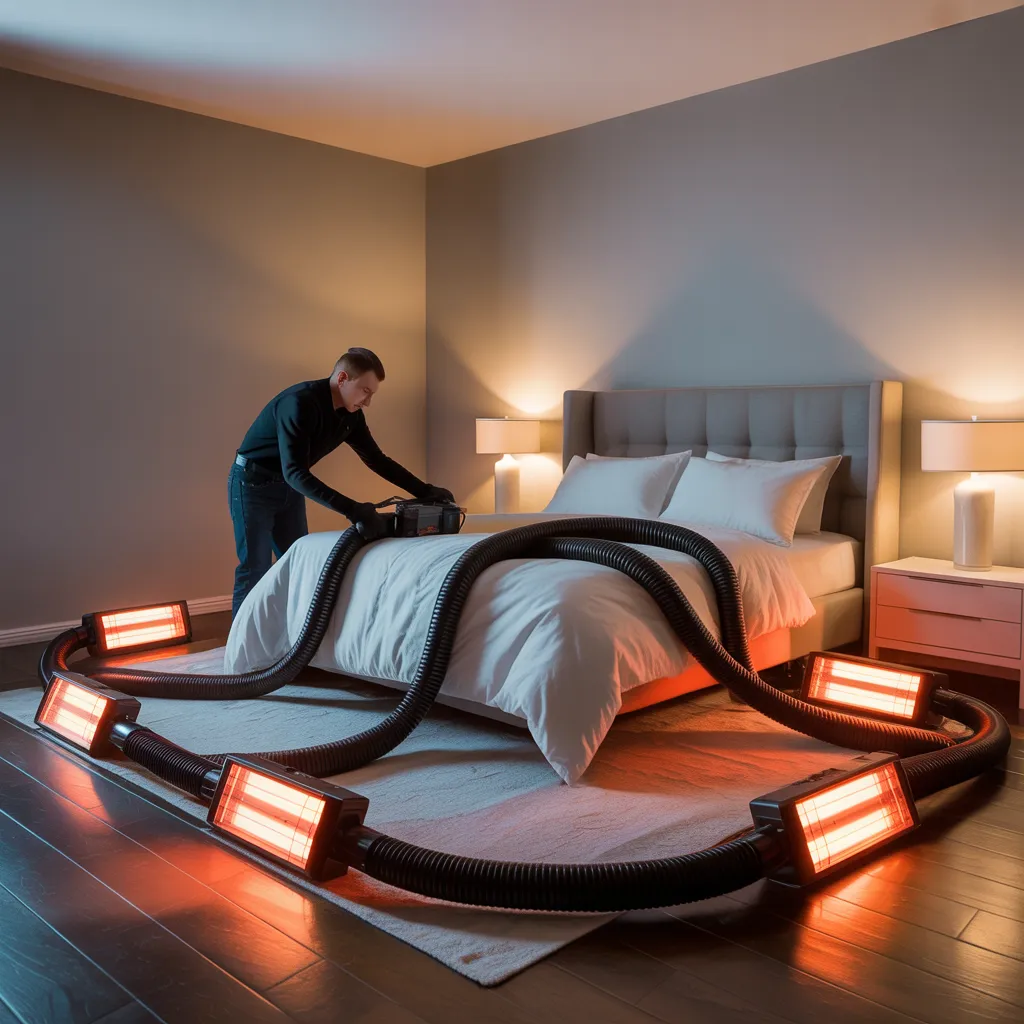
Heat treatment efficiently destroys bed bugs by elevating the temperature in contaminated areas to levels lethal for these pests. Usually, this method entails raising the temperature of a room or space to a sustained temperature between 120°F and 140°F (49°C to 60°C). Under these conditions, bed bugs, including their eggs and nymphs, cannot endure for sustained periods of time.
The procedure necessitates specific tools to guarantee consistent heat penetration, reaching all locations where bed bugs are likely to shelter, such as mattresses, furniture, and cracks in walls. It is necessary to track the temperature during the entire treatment process to verify the treatment's success.
Heat treatment serves as a chemical-free solution, making it environmentally friendly and safe for households. That said, it demands comprehensive preparation, including the removal of heat-sensitive items and ensuring the area is properly sealed to sustain the required high temperature. This approach not only eliminates visible bugs but also reaches concealed populations, offering a thorough and complete resolution to pest infestations.
Benefits of Heat Treatment for Bed Bugs Compared to Other Methods
The merits of heat treatment for bed bugs stand out when measured against conventional pest control approaches. Unlike chemical treatments, heat thoroughly destroys all life stages of bed bugs, including eggs, larvae, and adults, ensuring complete eradication. This method penetrates deep into furniture, walls, and bedding, reaching temperatures lethal to these pests.
Furthermore, heat treatment is a green solution, as it avoids the use of dangerous chemical substances that can present health concerns for humans and pets. It also minimizes the risk of chemical resistance, a prevalent concern with chemical treatments, as bed bugs are not able to easily survive high temperatures.
In addition, heat treatments typically require only one visit, minimizing the time and cost linked to multiple chemical treatments. Overall, heat treatment stands out as a complete, efficient, and more reliable solution for securing a infestation-free home.
How to Set Up Your Home for Effective Heat Treatment
Readying a home for thorough heat treatment against bed bugs requires several important preparations. To begin, it is necessary to eliminate clutter from the area to be treated to facilitate adequate heat penetration. In addition, shielding heat-vulnerable belongings is essential to prevent damage during the treatment process.
Clean The Treatment Area
Careful preparation of the treatment area is necessary for successful heat treatment against bed bugs. Property owners should begin by tidying up the area, clearing away any unneeded items that may obstruct in-depth guide the treatment process. All furniture should be repositioned away from walls, ensuring heat can circulate without obstruction. Sheets, clothing, and personal effects must be transferred to prevent harm and secure complete heat coverage. Vacuuming the area is also recommended to remove any present bed bugs and their eggs before treatment. To conclude, closing all windows and doors prevents heat loss, maximizing the overall impact of the treatment. Properly preparing the treatment area maximizes the chances of successfully eradicating bed bugs and achieving a pest-free home.
Shield Heat-Vulnerable Goods
After clearing the designated treatment space, focus should shift to securing items sensitive to heat. These heat-sensitive objects, which can include electronics, delicate fabrics, and artwork, could be compromised by the elevated temperatures of heat treatment. It is crucial to locate and remove these belongings from the treatment area. Unplug electronics and store them in a cooler area, as delicate fabrics may need to be relocated to a protected area. Furthermore, medications, cosmetics, and any other items sensitive to heat should be carefully packed away. Residents are encouraged to review the manufacturer's guidelines for specific items to confirm safe and appropriate storage. This careful preparation both protects valuable items and improves the overall effectiveness of the bed bug heat treatment process.
What to Expect During Heat Treatment
When undergoing heat treatment for bed bug infestations, meticulous preparation work is vital to secure efficacy. Homeowners can expect a systematic method that includes measuring temperature levels and confirming that all spaces are properly heated. Following the heat treatment, particular post-treatment steps will be needed to ensure the treatment worked and protect against future bed bug problems.
Pre-Treatment Preparation
Planning for heat treatment entails a series of critical steps to ensure both effectiveness and safety. Initially, residents should tidy up the area to ensure all surfaces are available. Items such as bedding, clothing, and curtains need to be washed in hot water and tumble dried on high heat to eradicate any lurking bed bugs. All furniture should be moved away from walls, and any heat-sensitive items, like electronic devices and plants, should be taken away or protected. It is also important to notify pest control experts about any specific infested areas or concerns. As a final step, residents should arrange a temporary relocation during the treatment, as temperatures will increase significantly, making the environment unsuitable for both people and pests.
After-Treatment Follow-Up Steps
During heat treatment for bed bugs, homeowners should anticipate a comprehensive and methodical procedure intended to completely remove the bed bugs. Once the treatment has concluded, the first step involves a cooling-down period, during which the treated areas will gradually return to normal temperatures. Professionals will subsequently perform a detailed assessment to confirm that every bed bug as well as egg deposits have been eradicated. Residents should monitor their residential areas for any evidence of recurring activity like skin irritations or dark residue marks. It is advisable to wash all bedding and clothing to eliminate any residual pests. Moreover, ongoing vigilance is essential; regular inspections and preventive measures can assist in keeping the space free of pests. Occupants might additionally be provided with recommendations for proper post-treatment maintenance.
How to Keep Your Home Free of Bed Bugs After Treatment
How can one guarantee a bed bug-free home after treatment? Keeping a home free of pests demands consistent and careful habits. First, regular inspections of sleeping areas, furniture, and luggage can help identify any returning pests. Vacuuming frequently, particularly in areas where bed bugs might hide, is essential. It is advisable to use a vacuum with a HEPA filter and to dispose of the vacuum bag immediately after use.
Additionally, enclosing box springs and mattresses in protective covers can help prevent bed bug re-infestation. Decreasing excess clutter around the home cuts down on hiding spots for these pests. During travel, one should examine hotel accommodations and make sure to keep suitcases off the floor on racks.
Finally, communicating with those sharing your living space about bed bug awareness ensures everyone is vigilant, cultivating a collaborative effort in prevention. By implementing these measures, one can markedly decrease the probability of a bed bug resurgence, securing a pest-free and comfortable living space.
Preventing Future Bed Bug Infestations
To properly guard against future bed bug outbreaks, homeowners must take decisive steps that eliminate potential risk factors. Routine examinations of rest areas, including bed frames and mattresses, can aid in recognizing the first signs of a bed bug presence. Moreover, encasements for mattresses and box springs create a defensive layer, hindering bed bugs from surviving and multiplying.
Minimizing clutter inside the home eliminates hiding places and simplifies the cleaning process. Staying alert during travel is also critically important; examining hotel rooms and baggage before heading home can help avoid introducing bed bugs. Washing bedding and clothes in hot water on a routine basis additionally reduces the chances of reinfestation.
Homeowners should also educate themselves about bed bug behavior and signs of infestation. By integrating these methods into their daily habits, people can establish surroundings that are less hospitable to bed bugs, significantly lowering the chances of future infestations.
Common Questions and Answers
Can I Stay in My Home During Heat Treatment?
Throughout heat treatment for bed bugs, it is typically recommended that residents leave the home. High temperatures can be dangerous, and remaining in the home may put individuals at risk. A qualified professional will offer detailed safety recommendations.
How Long Does Heat Treatment Take to Complete?
Heat treatment typically takes between six to eight hours to complete, according to the extent of the infestation and the overall size of the space. Subsequent inspections may be conducted following the treatment to confirm the complete success and thoroughness of the process.
Are There Any Health Risks From Heat Treatment?
Thermal treatment for bed bugs generally poses minimal health risks. That said, those with respiratory conditions or allergies may experience discomfort. Professional handling and careful preparation provide protection throughout the process, limiting any potential dangers.
Will Heat Treatment Damage My Belongings?
Heat treatment could potentially affect heat-vulnerable possessions, such as electronics, artwork, or certain fabrics. Nevertheless, most belongings can endure the process when properly handled, underscoring the value of consulting a pest control specialist about any worries in advance.
What Is the Typical Cost of Heat Treatment?
The cost of heat treatment typically ranges from $300 to $1,500, depending on the severity of the infestation and the size of the area treated. Variables including your location and the selected service provider also play a role in determining the final price.
Comments on “Find a Bed Bug Exterminator for Long-Term Prevention”